Blue Rose 1 Cross Stitch Pattern: A Designer's Review
As a designer who spends more time counting stitches than sleeping, I approach every new Blue Rose 1 Cross Stitch Pattern with a critical eye. It is not enough for a design to look pretty on a screen; it must survive the transition from a digital embroidery file to a tangible handmade product. When I first opened the PDF for this specific pattern, my immediate thought was about its potential lifespan in a real-world craft business. This is not just a hobbyist sketch; it is a structured asset that demands respect for its dimensions and execution.
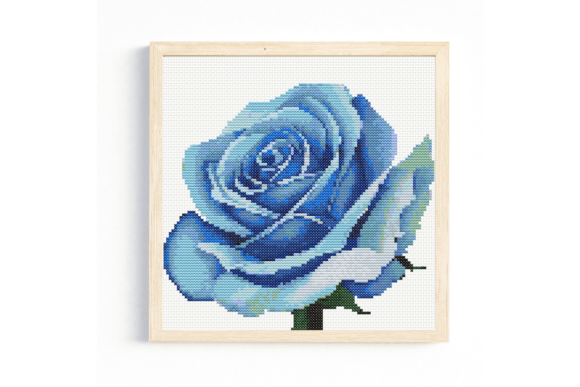
The first impression of the Blue Rose 1 Cross Stitch Pattern is one of classic simplicity. There is no unnecessary clutter here. The layout relies on whole stitches only, which tells me immediately that this design prioritizes clarity over complex shading. For an Etsy seller or a boutique owner, this is a massive advantage. Designs that rely too heavily on fractional stitches or excessive blending can intimidate buyers looking for a weekend project, whereas this pattern invites participation. The mood it creates is calm and traditional, fitting perfectly into the current trend of cottage-core aesthetics without feeling dated.
Real-World Application: The Tote Bag Test
To truly evaluate this design, I imagined a specific scenario: creating a custom line of canvas tote bags for a local farmer's market. This is a common request for small shop product creators. The pattern measures 102 x 93 stitches, which translates to approximately 7.5 x 6.5 inches on 14 count Aida. In the context of a tote bag, this is a substantial footprint. It is large enough to be a statement piece but compact enough to sit centrally on a standard bag without overwhelming the fabric.
If I were stitching this onto a sweatshirt or a heavy cotton apron, the scale works beautifully. The "Blue Rose" theme suggests a cool, serene palette, likely utilizing various shades of blue DMC floss as indicated in the key. On a neutral background like oatmeal-colored linen or a navy custom apparel item, these blues would pop with significant visual appeal. The lack of intricate detail means the finished product will look clean even from a distance, which is crucial for commercial embroidery where items are viewed on shelves or in online printable mockup galleries.
Navigating Fabric and Texture Challenges
However, a professional review must address the limitations. While this design excels on stable fabrics like Aida or linen, caution is required when moving to stretchy materials. If you plan to use this as a sweatshirt embroidery project on a knit fabric, the stability of the whole stitches becomes paramount. Without a high-quality stabilizer, the grid structure of cross-stitch can distort when the fabric stretches, causing the rose to look warped after the first wash.
Furthermore, because this is a Cross Stitch Patterns graphic relying on a black and white symbol chart, contrast is everything. If you attempt this on a dark fabric using a light thread, ensure your tension is perfect. Any gaps in the stitching will reveal the dark background and break the illusion of the solid rose shape. For baby embroidery projects, where softness is key, you might consider stitching this on a separate patch and then appliquéing it onto the garment. This preserves the integrity of the stitch density while keeping the garment comfortable against sensitive skin.
Commercial Viability and Brand Consistency
For those running a craft business, consistency is the backbone of brand trust. The Blue Rose 1 Cross Stitch Pattern offers a level of predictability that is rare in digital downloads. Because it uses whole stitches only, the learning curve for customers is low, leading to higher satisfaction rates if you are selling this as a DIY kit. If you are selling the finished product, the uniformity of the stitch work conveys professionalism. Customers associate clean, crisp lines with quality, and this design delivers that in spades.
When considering this for holiday embroidery or wedding gifts, the timeless nature of the rose motif ensures it won't feel seasonal or trendy in a negative way. A blue rose can symbolize uniqueness or mystery, adding a layer of storytelling to your personalized gift offerings. Whether it is a pillow cover for a nursery or a tea towel for a housewarming, the design holds its own. It does not scream for attention, but it commands respect through its executed precision.
Designer Notes for Optimal Results
Before committing to a full production run or gifting a major project, I always recommend a few practical steps. First, test the design on scrap fabric that matches your final material. Check the thread colors in natural light to ensure the blues do not muddy together. Since the pattern comes as a PDF download with a black and white symbol chart, print a copy at 100% scale and hold it against your fabric to visualize the final hoop size requirements.
It is also vital to verify the licensing terms provided with the download. While many designers allow the sale of finished physical items, restrictions often apply to reselling the digital file itself or using the image for mass-produced design assets. Always confirm these details to protect your Etsy seller account and your reputation. Additionally, if you are adapting this for a curved surface like a cap, remember that the rectangular nature of the stitch count (102 x 93) might require careful positioning to avoid the edges curving too sharply around the dome.
In conclusion, the Blue Rose 1 Cross Stitch Pattern is a robust choice for both the hobbyist and the commercial maker. It bridges the gap between aesthetic charm and technical feasibility. By respecting the fabric choices and understanding the implications of its stitch count, you can transform this simple graphic into a high-value embroidered patch, a cherished heirloom, or a best-selling item in your online store. It is a reminder that sometimes, the most effective designs are the ones that let the craft speak for itself.