Quilting Circle Embroidery Design Review
As an embroidery designer who spends more time staring at stitch simulations than most people spend watching television, I am always on the hunt for textures that elevate a garment from "basic" to "boutique." Recently, while curating assets for a new cozy collection of oversized hoodies and neutral-toned sweatshirts, I stumbled upon the Quilting Circle Embroidery Design on Creative Fabrica. Listed under Backgrounds within the Embroidery category, this file caught my eye not just for its geometric simplicity, but for its potential to mimic high-end quilting techniques without the actual labor of piecing fabric.
In this review, I am breaking down how this specific machine embroidery design performs when applied to real-world apparel projects. Whether you are an Etsy seller looking to differentiate your handmade products or a small clothing brand aiming for a consistent visual identity, understanding the nuance of a fill pattern like this is crucial before you hit the start button on your machine.
Visual Personality and Stitch Mood
The first thing I noticed when loading the digital embroidery file into my editing software was the rhythm of the stippling. The Quilting Circle Embroidery Design offers a distinctively organic yet structured feel. It does not scream for attention with bold outlines or flashy satin columns; instead, it whispers sophistication through texture. The mood is undeniably rustic meets modern minimal. It feels premium, suitable for a boutique brand that values subtlety over loud graphics.
For a designer, the appeal lies in its versatility. The circular stippling creates a soft, cloud-like texture that works beautifully on both light and dark garments. On a pastel hoodie, it adds a gentle depth that looks almost like a shadow play. On a charcoal or black sweatshirt, the light reflection off the thread creates a tonal contrast that feels incredibly expensive. It is playful enough for a youth line but classic enough for adult lifestyle wear.
Application in Boutique Apparel Collections
I immediately began mentally mapping out where this design would shine in a hypothetical product launch. For sweatshirt embroidery, this design is a game-changer for all-over prints or large panel inserts. Imagine a cream-colored fleece sweatshirt where the entire front panel is covered in this quilting circle texture using a matching thread color. The result is a tactile surface that invites touch, increasing the perceived value of the finished product.
For hoodie design, I see immense potential in chest placements. A smaller iteration of the circle motif placed subtly over the heart area acts as a signature mark, similar to a luxury fashion house logo but with a handmade twist. It also works exceptionally well as a sleeve accent. Running a vertical strip of this stippling down the arm of an oversized garment breaks up the solid color block and adds a custom apparel feel that mass-produced retail items simply cannot replicate.
Beyond knitwear, this embroidery file is robust enough for heavier materials. On a denim jacket, the dense stitching of the quilting circle contrasts wonderfully against the twill weave of the denim, creating a rugged yet refined aesthetic. For tote bags, which often suffer from looking too plain, applying this background texture can turn a simple canvas carrier into a statement piece. It is perfect for creating cohesive lifestyle product photos where the texture reads clearly even in social media graphics.
Navigating Fabric Challenges and Placement
However, every experienced embroiderer knows that a beautiful design on screen does not always translate perfectly to fabric without careful planning. There are specific areas where you must use the Quilting Circle Embroidery Design with caution. Because stippling involves a high volume of travel stitches, the stitch density can be significant. When working on stretchy fabrics like ribbed cuffs or lightweight jersey t-shirts, this density can cause puckering if not managed correctly.
If you are planning to use this on fleece or thick sweatshirt material, the fabric texture usually supports the weight of the stitching well. However, on curved surfaces like the shoulder of a fitted tee, the rigid nature of the dense quilting might restrict movement or cause the garment to pull awkwardly. I strongly advise against using this specific fill for tiny lettering or intricate details within a small hoop size, as the stippling needs room to breathe to maintain its visual integrity.
Dark garments present another consideration. While tonal stitching looks chic, ensure your thread colors have enough sheen or contrast to prevent the design from disappearing entirely in low light. Always test on scrap fabric that matches your production material exactly. What works on a sample swatch might behave differently on a fully constructed hoodie with seams nearby.
Elevating Brand Identity and Buyer Trust
In the competitive world of online selling, particularly for Etsy sellers and creative entrepreneurs, visual consistency is key to building buyer trust. Using a signature texture like the Quilting Circle Embroidery Design across your product line can create instant product recognition. When a customer sees that specific stippled texture, they should immediately associate it with your boutique brand.
This level of detail affects apparel value significantly. A plain sweatshirt might sell for twenty dollars, but one featuring a custom, textured embroidery background can command a much higher price point because it signals effort, quality, and exclusivity. It transforms a commodity into a handmade product. Furthermore, when creating printable mockups for your listings, this texture adds a layer of realism that flat vector graphics cannot achieve, helping customers visualize the quality of the commercial embroidery products they are about to purchase.
Practical Designer Notes for Production
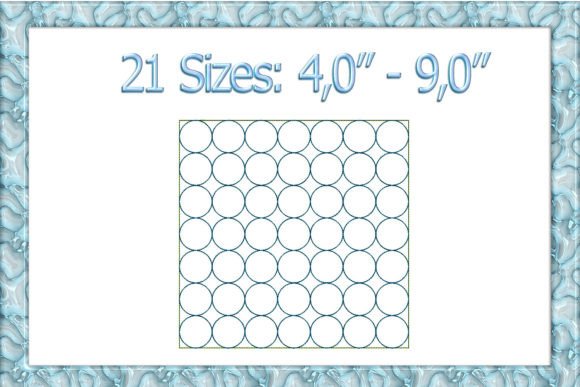
Before you commit to producing a full run of inventory, there are several technical steps you must take to ensure success with this file. First, check the product details on Creative Fabrica thoroughly. The description mentions that 9 formats are included, which is excellent for compatibility, but you must confirm which specific hoop sizes are supported for your machine. Do not assume the design fits a 4x4 hoop if you only have that available; verify the dimensions in the listing images or description.
Stabilizer choice is paramount. For a design with this much stippling, a cut-away stabilizer is often safer than tear-away, especially on stretchy garments, to prevent the stitches from sinking into the fabric over time. Review your thread color contrast carefully; sometimes a slightly lighter or darker shade than the base fabric yields a more sophisticated look than an exact match.
Finally, always review the licensing terms provided by the creator on Creative Fabrica. Since this is intended for commercial embroidery products, ensure you are compliant regarding the number of physical items you can sell. By taking these precautions and respecting the nuances of the Quilting Circle Embroidery Design, you can create a collection that stands out for its quality and style.
In conclusion, this design is a powerful tool for any embroidery shop or independent designer looking to add texture and depth to their portfolio. It bridges the gap between traditional quilting aesthetics and modern streetwear, offering a unique visual language for your brand. With the right fabric choices and technical preparation, the Quilting Circle Embroidery Design can be the cornerstone of a highly successful, cozy seasonal outfit collection.