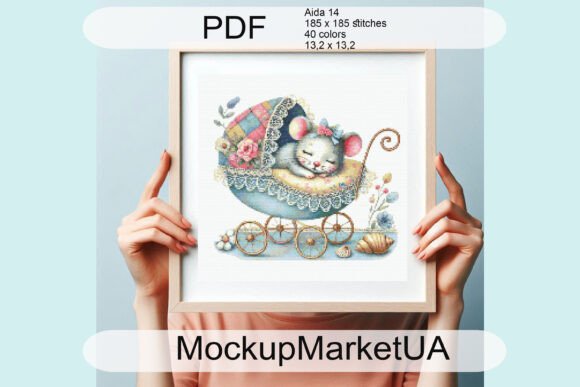
Cute Winter Mouse Cross Stitch Patterns Review
As an embroidery designer who spends countless hours vetting digital assets for both personal projects and client orders, I approach every new download with a critical eye. Recently, I evaluated the Cute Winter Mouse Cross Stitch Patterns available on Creative Fabrica to determine its viability for real-world application. In the world of handmade goods, a design is only as good as its execution on fabric. This review breaks down the potential of these graphics for tote bags, seasonal apparel, nursery decor, and commercial products.
First Impressions and Visual Mood
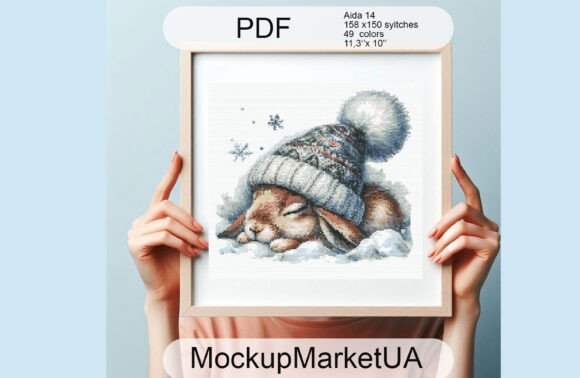
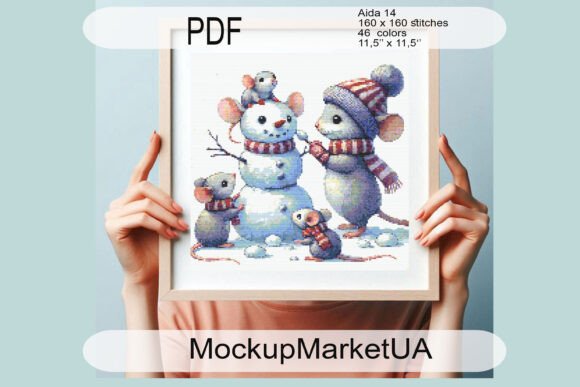
Upon opening the file, the immediate takeaway is the charming, whimsical aesthetic. The Cute Winter Mouse Cross Stitch Patterns capture a specific seasonal mood that resonates well with winter-themed collections. The imagery typically features small rodents in cozy scarves or hats, evoking a sense of warmth and nostalgia. For a designer, this visual personality is crucial; it dictates where the design will sell best. These patterns are not just generic animal motifs; they carry a narrative of comfort, making them ideal for baby items, kitchen textiles, and holiday gifts.
The detail level appears sufficient for hand cross-stitch enthusiasts, but for those of us adapting these Graphics for machine embroidery or mixed-media projects, the line work suggests a need for careful digitizing if converting formats. However, used as intended for needle craft, the clarity of the grid and color separation in the PDF instructions is generally high. The decorative appeal lies in its simplicity, which allows it to shine on various backgrounds without overwhelming the base material.
Real-World Application Scenarios
When considering where to deploy the Cute Winter Mouse Cross Stitch Patterns, several product categories come to mind. For custom apparel, these designs are perfect for the chest pocket of a flannel shirt or the sleeve of a sweatshirt embroidery project. The scale of a mouse motif usually fits well within smaller areas, avoiding the bulkiness that larger machine embroidery design files sometimes create.
For home goods, the potential is even broader. Imagine these patterns stitched onto a linen tote bag design for a winter market stall, or centered on a kitchen towel as a hostess gift. The "cute" factor significantly boosts the giftability of the finished product. In a boutique setting, these could be applied to pillow covers for nursery decor, adding a touch of woodland charm that parents often seek. For Etsy sellers and craft fair vendors, offering personalized versions—perhaps adding a name below the mouse using a complementary font—can increase the perceived value and justify a higher price point.
Furthermore, these Patterns serve as excellent design assets for creating printable mockup listings. Even before stitching a single thread, having high-quality visuals of the mouse on a sweater or mug helps gauge customer interest. If you are selling digital embroidery file adaptations, ensuring the original license from Creative Fabrica allows for derivative works is essential.
Technical Considerations for Execution
While the aesthetic is delightful, practical execution requires attention to technical details. If you are translating this cross-stitch pattern into a machine embroidery design, you must consider stitch density. Cross-stitch relies on distinct X-shapes, whereas machines often use satin stitch, fill stitch, or running stitch to mimic the look. Overly dense stitching on a small mouse figure can lead to puckering, especially on stretchy fabrics like cotton jersey used for baby onesies.
Fabric choice is paramount. For a crisp look, tight-weave linens or Aida cloth are standard for cross-stitch. However, if applying this to a cap or a textured apron, the stability of the material changes the outcome. Curved surfaces, like those on caps, require precise hooping and potentially a stronger stabilizer to prevent distortion. Dark fabrics present another challenge; the thread colors specified in the pattern may need adjustment to ensure adequate contrast. A light gray mouse might vanish on a charcoal sweatshirt, necessitating a outline or a backing layer.
Small hoop sizes are often required for these petite designs. Before committing to a final product, always test on scrap fabric identical to your final material. This step reveals issues with hoop size limitations and allows you to inspect small details after stitching. Does the tiny eye of the mouse register clearly? Are the edges of the scarf defined? These micro-details determine the professional quality of your handmade product.
Impact on Brand and Customer Trust
Using high-quality, cohesive designs like the Cute Winter Mouse Cross Stitch Patterns contributes to brand consistency. When customers see a well-executed, charming design on a personalized gift or an embroidered patch, it builds trust in your craftsmanship. The visual appeal of the finished item directly influences customer engagement and the likelihood of repeat business. In the competitive landscape of commercial embroidery, the uniqueness of your design selection sets you apart.
Moreover, the presentation of the product matters. A neatly stitched mouse on a high-quality tote bag photographs beautifully, enhancing your online store's aesthetic. This visual consistency helps in building a recognizable brand identity. Whether you are a small business owner or a hobbyist looking to sell, the perceived value of the item is heightened by the thoughtful selection of motifs that resonate with current trends, such as cottagecore or woodland themes.
Final Verdict and Best Practices
The Cute Winter Mouse Cross Stitch Patterns offer a versatile foundation for a variety of winter-themed projects. Their strength lies in their adaptability across different mediums, from traditional needlework to modern embellished apparel. However, success depends on meticulous preparation.
Before starting any commercial embroidery run or listing a new item on Etsy, adhere to these practical notes:
- Test extensively: Always stitch a sample on scrap fabric to check tension and registration.
- Verify contrast: Ensure your thread colors pop against the chosen fabric, especially on dark or textured materials.
- Check density: If digitizing for machines, avoid excessive density that causes stiffness or puckering.
- Confirm licensing: Review the specific terms on the Creative Fabrica product page. Ensure the license permits the sale of finished physical goods if that is your intention.
- Inspect details: Pay close attention to tiny elements like facial features after stitching to ensure they are clear and durable.
In conclusion, these patterns are a valuable addition to a designer's library, provided they are handled with the technical care they deserve. By respecting the limitations of the medium and leveraging the charm of the design, you can create standout products that delight customers and enhance your portfolio.