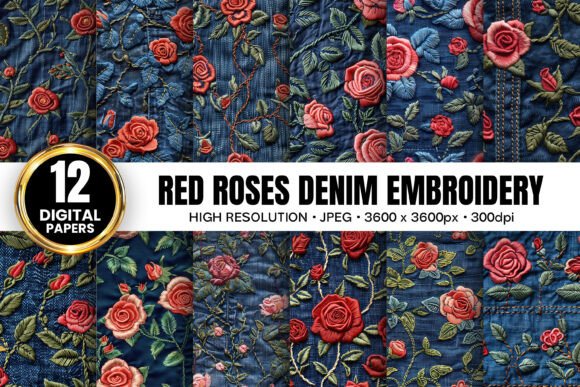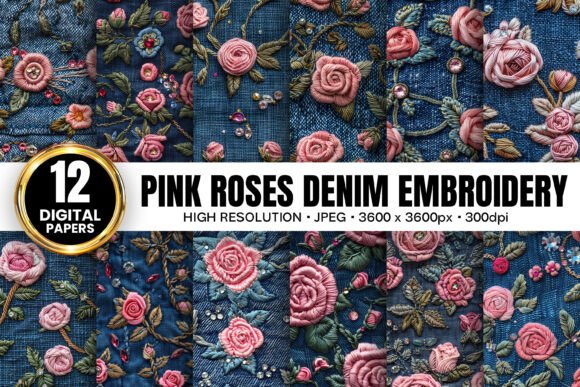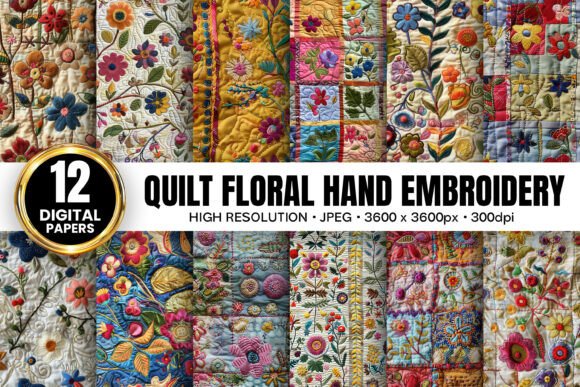
Hollyberry Denim Embroidery Patterns Review
As an embroidery designer who spends more time at the hoop than away from it, I am always cautious about integrating new digital assets into my commercial workflow. When I first encountered Hollyberry Denim Embroidery Patterns on Creative Fabrica, my initial reaction was one of curiosity mixed with professional skepticism. The title suggests a specific aesthetic—rustic, durable, and seasonal—but for a designer, the devil is always in the details. Is this just another generic graphic, or is it a viable resource for high-end handmade products? After reviewing the specifications and visualizing its application on real-world items, I have formed a clear perspective on where this product fits in a serious embroidery business.
Visual Mood and Design Personality
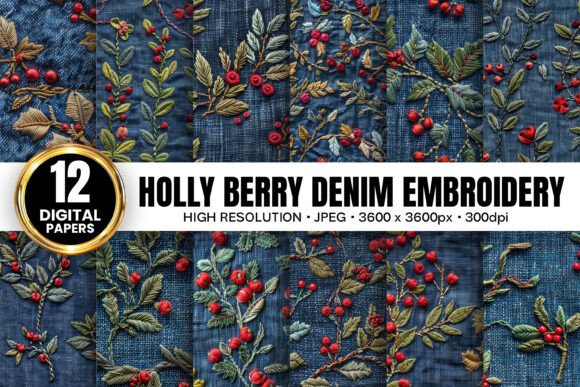
The first thing that stands out about Hollyberry Denim Embroidery Patterns is its cohesive visual mood. The collection captures that classic, cozy winter vibe without feeling overly cliché. The "denim" aspect of the title implies a texture and durability that translates well into the embroidery world. These are not delicate, wispy designs; they possess a certain weight and presence that suggests they belong on sturdy materials. The holly berry motif is timeless, but the execution here feels modern enough to appeal to contemporary buyers looking for seasonal decor or apparel.
For those of us who create handmade products, the decorative appeal is crucial. These patterns offer a seamless quality that allows for versatility. Whether you are looking to create a subtle background texture or a bold focal point, the design personality leans towards the rustic-chic spectrum. This makes them an excellent candidate for brands that specialize in farmhouse styles, outdoor gear, or heritage-inspired goods. The detail level appears sufficient for scaling, provided you respect the resolution limits inherent in any raster-based asset.
Real-World Application for Custom Apparel and Goods
When considering Hollyberry Denim Embroidery Patterns for actual client orders, the potential applications are vast. I immediately envisioned these graphics working beautifully on custom apparel. Imagine a heavy-weight cotton sweatshirt with a large, centered pattern print transferred via heat press, accented by simple satin stitch lettering. Alternatively, for a more textured approach, these could serve as the base for an applique design on a denim jacket, where the graphic guides the placement of fabric layers.
Beyond clothing, the utility extends to home goods. A tote bag design featuring these patterns would sell well during the holiday season. The robust nature of the imagery complements canvas and twill fabrics perfectly. For kitchen enthusiasts, applying these to aprons or kitchen towels creates an instant seasonal upgrade. I can also see these working effectively on pillow covers for nursery decor or living room accents. The key here is that the patterns do not scream "temporary"; they have a classic feel that encourages customers to keep the finished product year after year.
For Etsy sellers and craft fair vendors, the ability to create coordinated sets is a huge advantage. You could offer a matching set of a sweatshirt embroidery piece, a tote bag, and a mug wrap using the same consistent visual language. This brand consistency builds buyer trust and increases the perceived value of your shop. Furthermore, because these are high-resolution digital papers, they are invaluable for creating printable mockups. Before you even stitch a single thread, you can present professional-looking previews to your clients, enhancing customer engagement and reducing revision rounds.
Technical Considerations for Embroidery Execution
It is vital to address the technical reality of using Hollyberry Denim Embroidery Patterns in a machine embroidery context. It is important to clarify that based on the product description, this item provides high-resolution JPG graphics (300 DPI, 3600 x 3600 pixels), not a pre-digitized machine embroidery design file with stitch data. This distinction is critical. To use these for stitching, you will need to digitize them yourself or use auto-digitizing software to convert the graphic into an embroidery file compatible with your machine.
If you choose to digitize these patterns for commercial embroidery, pay close attention to stitch density. The intricate details of holly leaves and berries can easily become muddy if the fill stitch areas are too dense, especially on stretchy fabrics like sweatshirt fleece. On textured fabrics like denim or terry cloth towels, you must account for the fabric's pile. A running stitch outline might get lost, so a slightly wider satin border could be necessary to define the shapes clearly.
Practical constraints such as hoop size must be considered. While the source image is large (12 inches), your embroidery machine's hoop may limit how much of the pattern you can stitch in one go. For larger projects like blanket backings or full-back jacket designs, you may need to plan for multi-hoop alignments. Additionally, when working on curved surfaces like caps, the distortion of the pattern needs to be managed carefully during the digitizing phase to ensure the holly berries don't look stretched or misshapen.
Enhancing Product Value and Brand Presentation
Incorporating Hollyberry Denim Embroidery Patterns into your lineup can significantly affect your product value. High-quality visuals signal professionalism. When a customer sees a cohesive, well-executed design on a personalized gift, their trust in your craftsmanship deepens. These patterns allow you to move beyond basic monograms and offer complex, artistic compositions that justify a higher price point.
The "giftability" factor is also strong here. Seasonal items featuring holly and berries are perennial favorites. By using these graphics to create limited-edition runs of embroidered patches or boutique merchandise, you create a sense of urgency and exclusivity. Moreover, the visual appeal of these patterns translates exceptionally well in product photography. The contrast between the deep greens and reds against neutral backgrounds creates striking images that perform well on social media, driving traffic to your handmade shop.
Final Verdict and Practical Advice
So, is Hollyberry Denim Embroidery Patterns worth downloading? For a designer looking to expand their library of seasonal assets, absolutely. However, success depends on how you implement them. Because this product delivers design assets in JPG format rather than ready-to-stitch files, it is best suited for designers who have digitizing skills or access to reliable conversion tools.
Before committing to a production run, always test on scrap fabric. Check your thread colors to ensure they pop against both light and dark fabric mockups. If you are stitching on dark denim, you may need to adjust your underlay settings to prevent the fabric color from dulling the vibrant reds of the berries. Confirm your licensing terms on the Creative Fabrica product page to ensure your intended commercial use is covered, especially if you plan to sell the digital files themselves or unlimited physical goods.
Ultimately, Hollyberry Denim Embroidery Patterns offers a solid foundation for creating beautiful, marketable goods. With careful attention to stabilizer selection, stitch types, and fabric choice, these graphics can be transformed from simple digital papers into cherished finished products that customers will love. Whether you are making a single personalized gift or stocking up for a holiday craft fair, this collection provides the artistic raw material needed to succeed.