Pink Wool Flowers Embroidery Patterns Review
As an embroidery designer who spends most of my days digitizing logos and prepping files for commercial machines, I approach new design assets with a critical eye. It is not just about whether a graphic looks pretty on a screen; it is about how it translates into thread, how it holds up on a curved cap, and whether it elevates a brand's identity. Recently, I evaluated the Pink Wool Flowers Embroidery Patterns collection specifically for its potential in small business merchandise and branded patch production. This review breaks down how these graphics perform when moved from digital files to tangible, stitched products.
First Impressions: A Handmade Aesthetic for Modern Brands
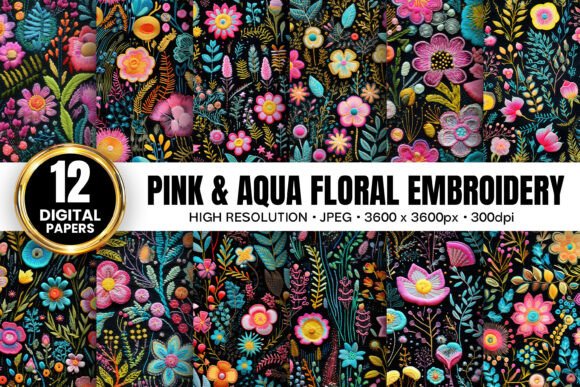
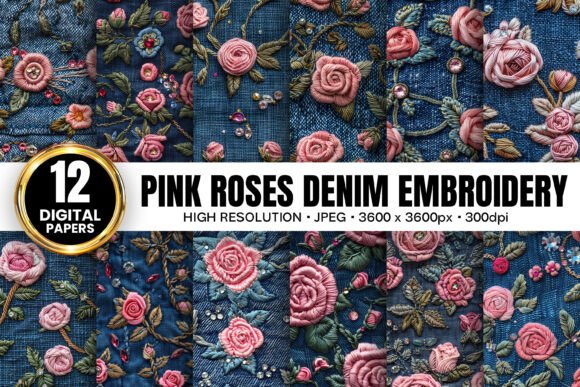
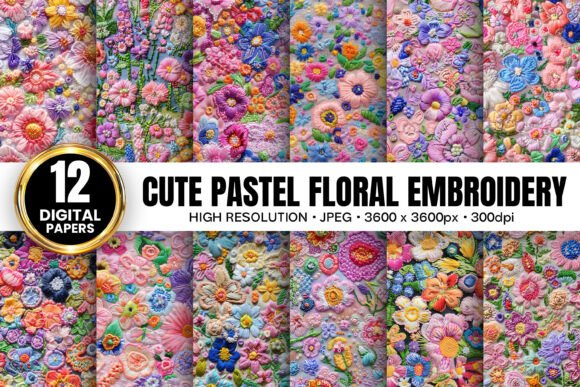
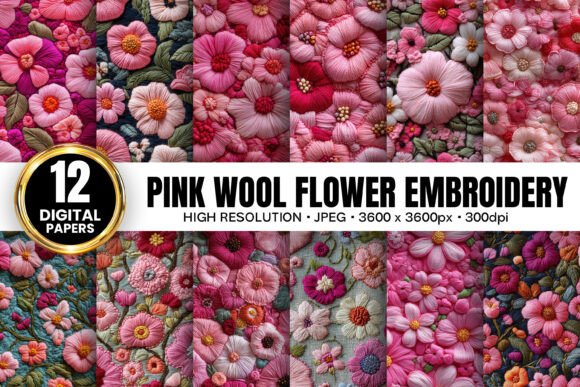
The moment you unzip the file, the first thing that stands out is the texture implied by the title and the visual weight of the 300 DPI JPGs. The Pink Wool Flowers Embroidery Patterns exude a rustic yet elegant charm. They do not feel like generic clip art; they feel like a handmade product waiting to be realized. For boutique owners, florists, or creative studios, this aesthetic is gold. It signals warmth, care, and attention to detail—qualities that customers subconsciously associate with high-quality goods.
The color palette, dominated by soft pinks and wool-like textures, suggests a friendly and approachable brand personality. However, for a professional embroidery shop, the question remains: can this translate into a machine embroidery design? While the product provides high-resolution digital papers rather than pre-digitized stitch files, the clarity of the 3600 x 3600 pixel images makes them excellent candidates for manual digitizing or conversion into an embroidery file. The lines are distinct enough to guide stitch placement without losing the organic feel of the original artwork.
Real-World Applications for Small Business Merch
In the world of small business merch, versatility is key. I envision the Pink Wool Flowers Embroidery Patterns working exceptionally well across several specific use cases:
- Branded Patches: This is the strongest application. The floral motif works beautifully as a woven or embroidered patch that can be ironed onto denim jackets, tote bags, or aprons. The seamless nature of the patterns allows for custom-shaped patches that look intentional and high-end.
- Staff Uniforms and Aprons: For a bakery or flower shop, apron embroidery featuring these flowers adds a touch of sophistication. Placed on the chest pocket or the lower hem, it turns a standard uniform into a branded statement piece.
- Cap Embroidery: The front panel of a baseball cap offers limited space, but a simplified version of these flowers could serve as a charming accent. The pink tones pop nicely against navy, black, or khaki caps.
- Tote Bag Design: Canvas totes are a staple for markets and events. Using these patterns as a central print or a large-scale embroidery element creates a finished product that customers actually want to carry around, acting as free advertising.
- Product Packaging Accents: Beyond apparel, these graphics can be printed on hang tags, stickers, or tissue paper to create a cohesive unboxing experience that reinforces brand identity.
Technical Considerations for Commercial Embroidery
While the artistic potential is high, moving from a 300 DPI JPG to a stitched reality requires technical caution. Since the Pink Wool Flowers Embroidery Patterns are provided as digital papers, you will need to digitize them or hire a digitizer to create the actual stitch file. Here are critical factors to consider before running these through your machine:
- Stitch Density: The "wool" texture in the image implies thickness. If you replicate this too literally with satin stitches, the stitch density might become too high, causing puckering or needle breakage. You may need to simplify the fill or use a combination of satin and fill stitches to maintain the look without compromising the fabric.
- Fabric Texture: These designs shine on stable fabrics like twill, denim, or heavy cotton. On stretchy knits or textured fleece, the fine details of the petals might get lost or distort. Always test on the actual garment material.
- Thread Colors: The subtle gradients in the digital file must be translated into available thread colors. You might need to blend shades of pink to achieve depth, or opt for a two-tone approach to keep costs down while maintaining visual interest.
- Hoop Size: Depending on how you scale the pattern, ensure your hoop size accommodates the design. For larger tote bag applications, you may need to re-hoop or use a multi-position feature, which requires precise alignment.
- Stabilizer Selection: Given the potential density of floral fills, using the correct stabilizer is non-negotiable. A cut-away stabilizer is often best for items that will undergo frequent washing, ensuring the design does not sag over time.
Where to Use Caution
Not every surface is suitable for this level of detail. When applying Pink Wool Flowers Embroidery Patterns to small areas like the front of a structured cap or a tiny chest logo, simplification is essential. Tiny lettering combined with intricate floral outlines can become a muddy mess if the stitch count is too high for the area. Additionally, on dark uniforms, you must ensure there is sufficient contrast; the soft pinks might vanish against a black background unless underlay stitching or a white backing is used effectively.
Furthermore, because these are seamless patterns, there is a temptation to tile them extensively. Be careful with this on garments. A full-back design covered in flowers can look overwhelming and date quickly. Use the pattern strategically as an accent rather than an all-over print unless the brand specifically calls for a bold, maximalist look.
Impact on Brand Identity and Customer Trust
In today's market, consumers crave authenticity. Using Pink Wool Flowers Embroidery Patterns helps bridge the gap between mass production and artisanal quality. When a customer sees a neatly embroidered flower on a tote bag or a staff apron, it communicates that the business cares about presentation. This attention to detail builds customer trust and perceived value.
For Etsy sellers and handmade brands, consistency is vital. These Patterns and Graphics provide a visual language that can be repeated across different products—from the logo on the website to the tag on the packaging and the embroidery on the merchandise. This visual consistency strengthens brand recognition, making your products instantly identifiable in a crowded marketplace.
Designer Notes for Production Success
Before committing to a large production run, I strongly advise following these practical steps:
- Test in Black and White: Convert the image to grayscale first. If the design loses its definition without color, you may need to adjust the contrast or simplify the shapes before digitizing.
- Check Small Patch Viability: Stitch a sample at the smallest intended size (e.g., 2 inches). Ensure the details do not merge together.
- Create a Printable Mockup: Use the high-res JPGs to create a printable mockup for client approval before spending time and thread on physical samples.
- Verify Licensing: Although the product description mentions high-resolution files for quality, always confirm the commercial licensing terms. Ensure you have the right to use these design assets for commercial embroidery projects and resale.
- Compare Alongside Other Assets: Place the flower pattern next to your existing logo and fonts. Does it complement the current branding, or does it clash?
The Pink Wool Flowers Embroidery Patterns offer a delightful blend of charm and professionalism. With careful digitizing and strategic application, they can transform simple custom apparel and accessories into cherished brand ambassadors. Whether you are outfitting a team or creating a new line of goods, these graphics provide a solid foundation for beautiful, tactile branding.