Rainbow Cross Stitch Patterns PDF DIY: A Designer's Review
As a designer who spends more time staring at stitch maps than most people care to admit, I approach every new machine embroidery design with a mix of optimism and skepticism. We have all downloaded a file that looked vibrant on the screen but turned into a bird's nest of thread on the fabric. Recently, I took a close look at the Rainbow Cross Stitch Patterns PDF DIY to see if it holds up under the scrutiny of real-world production. This isn't just about whether it looks cute; it is about whether it can survive the rigors of a custom order, a boutique launch, or a heartfelt handmade product.
First Impressions and Visual Personality
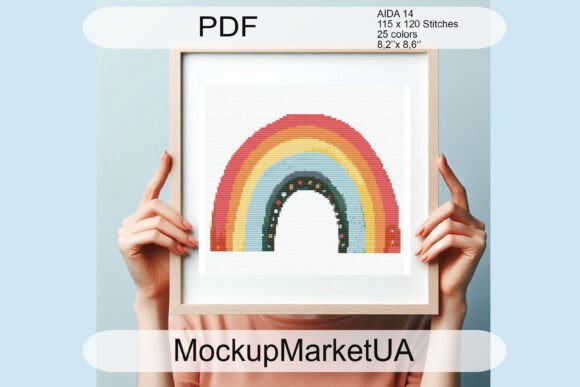
When you first open the Rainbow Cross Stitch Patterns PDF DIY, the immediate vibe is one of nostalgic warmth. There is something inherently cheerful about rainbow motifs, but the execution here leans heavily into the "handmade" aesthetic rather than a sterile, digital look. The layout suggests a deliberate choice to mimic traditional needlework, which gives it a distinct visual personality. For an Etsy seller or a small shop owner, this is crucial. Customers today are savvy; they can spot a generic clip-art conversion from a mile away. This design feels intentional, offering a texture that translates well into actual thread.
The color palette implied by the pattern is naturally vibrant, but as any experienced embroiderer knows, the magic happens in the translation from screen to spool. The design relies on clear separation between color blocks, which is excellent for maintaining clarity. If you are planning to use this for a printable mockup or digital product preview, the strong lines will render beautifully. However, the true test is how those lines behave when punched into fabric.
Real-World Application: The Tote Bag Test
To truly evaluate this embroidery project, I imagined a specific scenario: a custom order for a local farmer's market vendor who needed branded tote bag design options. She wanted something that felt artisanal but could be produced relatively quickly. The Rainbow Cross Stitch Patterns PDF DIY fit this brief perfectly.
In this context, the design shines on medium-weight canvas. The cross-stitch style allows for a flat profile, meaning it won't create bulky ridges that make carrying heavy groceries uncomfortable. When stitched out, the rainbow arcs create a focal point that draws the eye without overwhelming the bag's surface. For a small shop product, this balance is vital. It adds value without screaming "mass-produced." If I were stitching this for a client, I would confidently present it as a premium option for their spring collection, knowing that the finished product exudes a level of care that justifies a higher price point.
Versatility Across Different Products
Beyond tote bags, this pattern has legs in several other categories. For baby embroidery, such as a bib or a nursery wall hanging, the soft, playful nature of the rainbow is an obvious win. Parents love gender-neutral yet colorful designs, and this fits that niche seamlessly. Similarly, for sweatshirt embroidery, the design works well on the chest or sleeve. Because cross-stitch patterns generally rely on running stitches or short satin fills depending on how they are digitized, they tend to lay flatter than dense fill designs, making them comfortable against the skin.
I also see potential for this to be used as an embroidered patch. If you stabilize correctly and cut around the perimeter, this could become a fantastic add-on item for a craft fair booth. Patches are low-risk, high-reward items for craft business owners, and a rainbow motif is evergreen. Whether it is for holiday embroidery gifts or year-round merchandise, the theme remains relevant.
Technical Considerations and Fabric Choices
While the design is charming, we must discuss where it might struggle. Cross-stitch styles rely on precision. If you attempt this on a highly textured fabric like a thick wool blanket or a very stretchy jersey knit without proper preparation, you risk losing the crispness of the "pixels" that make up the image. The fabric texture plays a massive role here. On smooth cotton or linen, the definition will be sharp. On fuzzy fleece, the edges might blur.
Furthermore, consider the hoop size. If the design is large, ensure your machine can handle the area without excessive re-hooping, which can lead to registration errors. For curved surfaces like caps or hats, this design requires caution. The rigid geometry of a cross-stitch pattern can distort easily on a curved plane if the digitizing doesn't account for pull compensation. I would advise testing this on a cap only if you have experience adjusting density for structured garments.
Another critical factor is stitch density. If the PDF implies a high density to cover the fabric completely, you might face issues with fabric puckering, especially on thinner materials like t-shirts. Always check the stitch count if available, or better yet, run a test on scrap fabric first. Using the right stabilizer is non-negotiable here. A cut-away stabilizer is likely your best friend for apparel that needs to withstand frequent washing, ensuring the finished product retains its shape over time.
Enhancing Brand Value and Customer Trust
From a business perspective, using a cohesive set of design assets like the Rainbow Cross Stitch Patterns PDF DIY helps build brand recognition. When customers see a consistent style across your custom apparel, pillow covers, and kitchen towels, it signals professionalism. It tells them that you curate your offerings rather than just grabbing random files from the internet. This attention to detail fosters customer trust.
Moreover, the "DIY" aspect mentioned in the title suggests flexibility. If you are selling digital products, this could be marketed to other makers looking for instant download embroidery files. If you are selling physical goods, the handmade look appeals to the growing demographic of buyers who value imperfection and human touch over factory perfection. This emotional connection can significantly boost buyer engagement and conversion rates on your listings.
Final Verdict and Designer Notes
So, is the Rainbow Cross Stitch Patterns PDF DIY worth your time? Absolutely, provided you respect the technical requirements of the medium. It is a versatile, mood-lifting design that bridges the gap between traditional craft and modern commercial application.
Before you commit to a full production run, keep these practical notes in mind:
- Test First: Always stitch a sample on the exact fabric you intend to use. Check how the thread colors interact with the base material.
- Check Licensing: Since this is a downloadable pattern, verify the license terms. Can you sell the finished product? Can you sell the digital file itself? Never assume; always read the fine print to protect your craft business.
- Contrast Matters: Ensure there is enough contrast between your thread and fabric. A rainbow on a dark navy background might need a backing layer or lighter outline to pop.
- Density Check: If the design feels too stiff after stitching, try reducing the density slightly in your editing software, if the file format allows.
- Mockups: Use this design in your printable mockups to gauge customer reaction before committing to inventory.
In the end, the Rainbow Cross Stitch Patterns PDF DIY is a solid addition to any designer's library. It offers a blend of whimsy and structure that, when executed with care, results in a personalized gift or commercial item that stands out. Whether you are decorating a nursery, branding a boutique, or simply enjoying a weekend embroidery project, this pattern delivers on its promise of color and charm. Just remember, the quality of the final piece depends as much on your setup and materials as it does on the design itself.