Review: Christmas Highland Cow Cross Stitch PDF for Merch
As an embroidery designer who spends most of my days digitizing logos and prepping files for commercial production, I approach every new digital embroidery file with a critical eye. It is not just about whether a design looks cute on a screen; it is about how it translates to fabric, how it holds up after fifty washes, and whether it elevates a brand identity. Recently, I took a close look at the Christmas Highland Cow Cross Stitch PDF, a full coverage pattern marketed toward experienced stitchers. While this is technically a hand-stitch pattern falling under Cross Stitch Patterns and Graphics, its potential application in the world of small business merch and branded patches is fascinating, provided we navigate the technical specifications correctly.
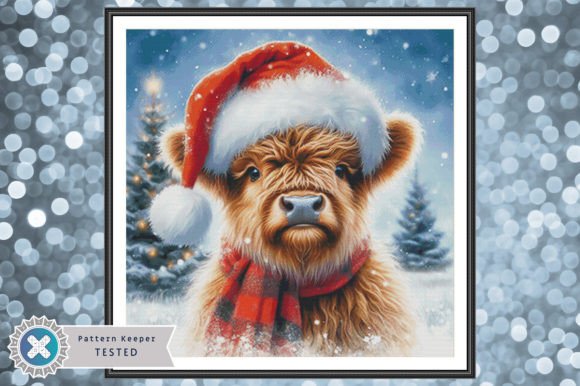
My first impression of the Christmas Highland Cow Cross Stitch PDF is that it exudes a rustic, handmade charm that feels incredibly premium. In an era where mass-produced graphics dominate the market, there is a growing consumer demand for items that feel authentic and crafted with care. The concept of a Highland Cow, already a beloved icon in the crafting community, paired with Christmas themes, creates a visual personality that is both playful and elegant. For a boutique coffee shop, a local florist, or a pet brand looking to release holiday limited editions, this aesthetic hits the sweet spot between trendy and timeless. However, because this is a "Full Coverage" pattern with dimensions of 350w x 350h stitches and a massive thread count of 105 DMC colors, it demands respect and careful planning before it ever touches a hoop.
Evaluating Business Applications and Brand Value
When considering where to deploy this design in a commercial setting, we must be realistic about scale. The expected finished size on 14-count fabric is approximately 25 inches by 25 inches. This is enormous. You cannot simply slap this onto a standard left-chest logo on a polo shirt or a small patch on a cap without significant modification. However, that does not mean it lacks value for custom apparel or commercial embroidery projects. Instead, this design shines as a statement piece. Imagine a high-end bakery using this as a central motif on limited edition holiday aprons for their master decorators. The sheer detail and the "handmade product" vibe would signal to customers that the business values quality and tradition.
For Etsy sellers and craft business owners, this Christmas Highland Cow Cross Stitch PDF could serve as the basis for exclusive, high-ticket items. Rather than trying to shrink it down, lean into its size. It works beautifully as a wall hanging in a retail space, a decorative element on a large tote bag intended as a luxury gift, or even framed as part of product packaging accents for VIP clients. If you are running a creative studio, offering workshops where customers stitch a portion of this design could be a fantastic team-building event or customer engagement strategy. The complexity of 105 thread colors ensures that the finished product looks rich and vibrant, enhancing perceived product value significantly.
Technical Challenges and Production Notes
Here is where my professional critique becomes crucial. If you intend to adapt this graphic for machine use or create an embroidered patch, you must address the stitch density and color complexity. A design with 105 distinct thread colors is a nightmare for rapid production. In a busy shop, changing threads that many times kills efficiency. For business use, I would recommend simplifying the palette. Group similar shades together to reduce the thread count while maintaining the visual integrity of the Highland Cow. This is a common practice when converting intricate design assets into production-ready files.
Furthermore, the size presents a logistical hurdle. A 25-inch square design requires a very large hoop or multiple hooping sequences if attempted on a machine. For cap embroidery or small sleeve details, this original file is simply too large. You would need to resize it drastically, which risks losing the definition of the cross-stitch blocks. If you are creating a small patch, ensure that the resolution remains high enough that the individual "pixels" of the cross stitch do not blur into a muddy mess. Always test it in black and white first to check contrast. If the design relies entirely on color shifts to define the cow's shaggy fur, shrinking it might render the image unrecognizable.
Fabric texture also plays a massive role here. Cross stitch patterns are designed for even-weave fabrics like Aida. Translating this to twill for patches, pique for polos, or canvas for totes requires a robust stabilizer. Without proper backing, the dense stitching of a full-coverage design can cause puckering, especially on curved surfaces like cap fronts or flexible materials like tote bags. For dark uniforms, you may need to adjust the thread colors to ensure they pop, or consider using a lighter underlay to prevent the garment color from dulling the festive reds and greens of the Christmas theme.
Strategic Implementation for Brand Identity
Integrating the Christmas Highland Cow Cross Stitch PDF into your brand strategy can boost customer trust and recognition if done thoughtfully. It signals that your brand pays attention to detail. However, visual consistency is key. If your brand is ultra-modern and minimalist, this rustic, detailed design might clash. But for brands built on warmth, community, and artisanal quality, it is a perfect fit. Use it to create a cohesive holiday campaign across your printable mockup materials, social media, and physical merchandise.
Before committing to a large run of apron embroidery or staff uniforms, create a physical prototype. Stitch a sample on the actual fabric you plan to use. Does the thread sheen match your brand standards? Is the texture comfortable against the skin if worn as clothing? These are questions only a physical test can answer. Additionally, compare this design beside your other seasonal assets. Does it complement your existing logo, or does it compete with it? Often, using such a detailed graphic as a secondary accent—perhaps on the back of a jacket or the inside label of a tote—works better than forcing it into a primary logo spot.
Finally, a word on licensing and specifications. The product description notes this is for "Experienced Stitchers" and provides specific stitch counts and dimensions. It does not explicitly state commercial licensing terms or provide vector files for machine adaptation. Before using this for any small business merch intended for resale, you must confirm the commercial licensing directly with the creator. Do not assume a PDF purchase grants you the right to sell finished goods made from the pattern. Clarify these details to protect your business legally.
In conclusion, the Christmas Highland Cow Cross Stitch PDF is a stunning piece of art with immense potential for the right niche. It is not a plug-and-play solution for quick corporate swag, but for businesses that want to project warmth, craftsmanship, and holiday spirit, it is a goldmine. By respecting its scale, managing the color complexity, and testing thoroughly on real fabric, you can transform this graphic into a standout asset that customers will cherish long after the holidays are over.