Review: Simple DUCK Cross Stitch Patterns PDF
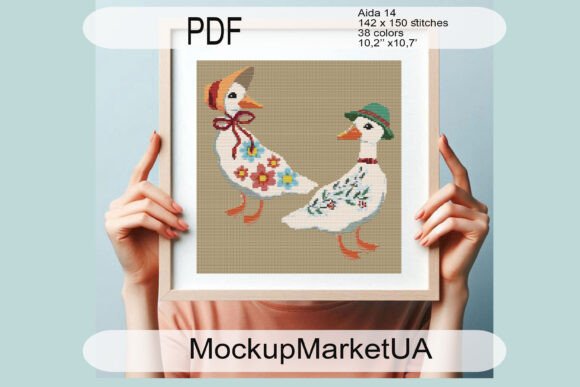
As a designer who spends more time staring at stitch maps than most people care to admit, I approach every new Simple DUCK Cross Stitch Patterns PDF with a mix of curiosity and skepticism. We have all downloaded those "instant" files that look adorable on a screen but turn into a tangled mess of thread breaks and registration issues once they hit the hoop. However, after spending some time analyzing this specific modern cross-stitch pattern intended for kids and decor, I found myself genuinely considering where it fits in my current workflow. This isn't just about whether the duck looks cute; it is about whether this graphic holds up under the scrutiny of real-world embroidery application.
The First Impression: Clean Lines and Playful Mood
When you first open the file, the immediate takeaway is simplicity. In the world of machine embroidery design, simple often translates to "boring," but here it feels intentional. The layout avoids unnecessary clutter, focusing on a clear silhouette that reads well even from a distance. The visual personality is undeniably cheerful, making it an ideal candidate for nursery decor or children's custom apparel. There is a certain charm in a design that doesn't try too hard. It creates a mood of warmth and nostalgia, which is exactly what customers are looking for when they buy a handmade product for a baby shower or a birthday gift.
The detail level is calibrated perfectly for its intended use. It avoids the tiny, frantic stitches that often plague complex digital files. Instead, it relies on broader shapes that suggest form without demanding microscopic precision. For an Etsy seller or a small shop owner, this is crucial. A design that stitches out cleanly reduces your production time and minimizes the risk of customer returns due to poor quality. The Simple DUCK Cross Stitch Patterns PDF feels like a reliable workhorse rather than a high-maintenance diva.
Real-World Application: From Tote Bags to Sweatshirts
To truly test the viability of any embroidery file, I mentally run it through various project scenarios. Imagine preparing a custom embroidered tote bag for a local farmer's market. You need something that pops against canvas but doesn't require hours of stitching. This duck pattern fits that bill perfectly. Its bold outlines would stand out beautifully on a natural cotton tote, creating an instant bestseller for a craft business.
I also see strong potential for sweatshirt embroidery. Kids' hoodies are a massive market, and parents love personalized items. Placing this design on the chest pocket area or centered on the front of a fleece sweatshirt creates a professional-looking finished product. Because the design is relatively open, it breathes well on thicker fabrics, preventing that stiff, cardboard-like feel that cheap embroidery often leaves behind. It would also translate exceptionally well to an embroidered patch. If you are running a boutique brand selling iron-on or sew-on patches, this graphic has the clean edges necessary for a merrowed border finish.
For those focusing on home goods, consider a kitchen towel or a pillow cover. The whimsical nature of the duck adds a touch of humor to functional items. As a personalized gift, you could easily pair this with a name or a date, provided you have the skills to integrate lettering without overcrowding the composition. The versatility here is high; it works as a standalone statement piece or as part of a larger collection of farm-themed design assets.
Navigating Fabric Textures and Hoop Limitations
While the design is robust, no digital embroidery file is immune to the challenges of difficult substrates. If you are planning to stitch this on a textured fabric like a waffle weave or a heavy linen, you need to be mindful of how the cross-stitch effect interacts with the grain of the material. On very dark fabrics, ensure your thread colors have enough contrast. A pastel duck on a navy background might get lost if the stitch density isn't sufficient to cover the base cloth.
Stretchy fabrics present another consideration. If you are applying this to a baby onesie or a stretchy t-shirt, proper stabilization is non-negotiable. Even a simple design can pucker if the stabilizer isn't matched correctly to the fabric weight. I always recommend testing on scrap fabric first. Cut a piece of the actual garment material, hoop it with your intended stabilizer, and run a sample. Check the back of the stitching to ensure there is no excessive pull or looping.
Curved surfaces, such as caps, require extra attention. While the design is simple enough to handle the curvature of a front panel, you must confirm the hoop size compatibility. If the design is too wide for a standard cap frame, you may need to resize it, which could affect the clarity of the smaller details. Always inspect small details after resizing; what looks crisp at 4 inches might become muddy at 2 inches.
Commercial Viability and Brand Consistency
For the commercial embroidery professional, consistency is key. Your clients trust you to deliver a product that looks the same every time. The Simple DUCK Cross Stitch Patterns PDF offers a level of predictability that builds that trust. When a customer sees a clean, well-executed duck on a product, it reinforces the perception of quality associated with your brand. It enhances buyer engagement because the image is instantly recognizable and emotionally appealing.
However, before listing this as a small shop product or using it in client projects, you must verify the licensing terms. Not all instant downloads allow for unlimited commercial use. Some creators restrict the number of physical items you can sell, while others prohibit selling the digital file itself. Always read the fine print. If you plan to create printable mockups for your online store, ensure you have the right to display the design in marketing materials. Protecting your business from intellectual property issues is just as important as the stitching itself.
Final Designer Notes and Recommendations
If you decide to incorporate this pattern into your repertoire, treat it with the same respect you would any other tool in your kit. Test different thread colors to see how they change the vibe; a yellow duck is classic, but a mint green or coral version could appeal to a more modern aesthetic. Compare light and dark fabric backgrounds to determine where the design shines brightest. If you are offering this as a holiday embroidery option—perhaps for Easter baskets or spring decorations—consider how it pairs with seasonal color palettes.
Remember that the success of an embroidery project often lies in the preparation. Check your needle condition, ensure your machine tension is balanced, and don't rush the hooping process. This Simple DUCK Cross Stitch Patterns PDF is a solid addition to a library of Patterns and Graphics meant for quick, high-quality production. It bridges the gap between hobbyist charm and professional utility. Whether you are making a one-off personalized gift for a friend or stocking shelves for your online store, this design has the potential to perform well, provided you respect the materials and methods involved in bringing it to life.
In conclusion, this design earns its place on the cutting table. It is practical, adaptable, and visually engaging. For designers looking to expand their catalog of kid-friendly and decor-oriented motifs without sacrificing stitch quality, this is a worthy investment. Just keep your scissors sharp, your stabilizer handy, and your licensing documents organized, and you will be well on your way to creating beautiful, marketable goods.