Review: Witches Coven Cross Stitch Pattern PDF for Pros
As a designer who spends more time counting threads than sleeping, I approach every new Cross Stitch Patterns release with a critical eye. It is not enough for a design to look pretty on a screen; it must hold up under the needle, survive the wash, and resonate with the end customer. When I first opened the Witches Coven Cross Stitch Pattern PDF, my immediate reaction was one of cautious excitement. This is not a quick weekend project for a beginner. With a massive footprint of 300w x 300h stitches and a demanding palette of 60 DMC colors, this piece demands respect, patience, and a clear strategy for execution.
The Aesthetic Mood and Visual Personality
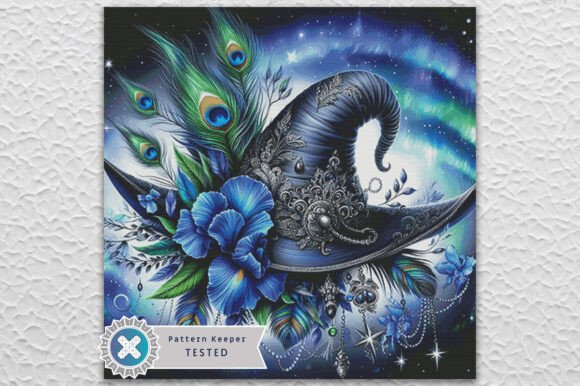
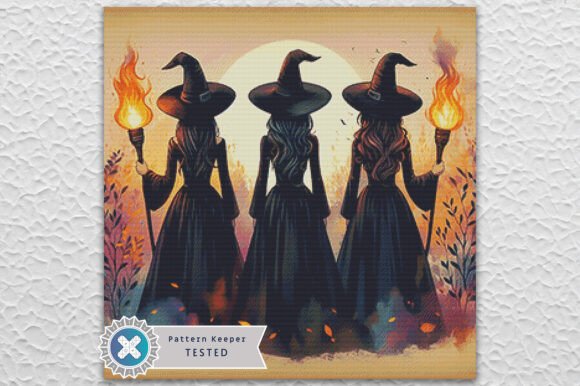
The first thing that strikes you about this design is its atmospheric depth. The theme suggests a gathering of mystical elements, likely featuring intricate details that define the "coven" aesthetic—think swirling robes, arcane symbols, or perhaps familiar spirits nestled among botanicals. Because this is a Full Coverage Cross Stitch Pattern for Advanced Stitchers, the visual weight is heavy. There is very little negative space, which creates a rich, tapestry-like finish. For a professional maker, this density is a double-edged sword. It offers incredible visual impact and a high perceived value, but it also requires meticulous tension control to prevent the fabric from warping.
The layout feels intentional and balanced, avoiding the chaotic clutter that sometimes plagues complex Graphics. The flow of the design guides the eye naturally, which is crucial when you are selling a handmade product. Customers do not just buy a stitch count; they buy a feeling. This pattern exudes a moody, enchanting vibe that fits perfectly into the current trend of cottage-core meets dark academia. It is the kind of imagery that stops a scroll on social media or catches an eye at a busy craft fair.
Real-World Application: The Boutique Pillow Case
To truly evaluate the Witches Coven Cross Stitch Pattern PDF, I imagined a specific real-life scenario: creating a limited-run collection of decorative pillow covers for a boutique home decor shop. Given the finished dimensions of approximately 21.5 inches square on 14-count fabric, this design is too large for a standard mug rug or a small hoop wall hanging. It demands a substantial canvas.
In this scenario, the sheer size becomes a selling point. A 21-inch finished piece is a statement item. If I were stitching this for a client, I would anticipate questions about durability. With 60 thread colors, there are ample opportunities for subtle shading, but also risks of color bleeding if low-quality floss is used. For a commercial product, I would insist on high-grade cotton floss and a high-thread-count linen or evenweave fabric to support the density. The result would be a luxurious, heavy textile art piece that commands a higher price point than typical mass-produced decor. It transforms a simple room accent into a focal point of artistic expression.
Material Considerations and Fabric Challenges
Before committing to a final embroidery project, one must consider the substrate. While cross stitch is traditionally done on Aida or linen, the scale of this design limits its versatility on stretchy or textured fabrics. Attempting to adapt this as a sweatshirt embroidery or custom apparel piece would be fraught with difficulty. The 300x300 stitch count creates a stiff, dense patch of thread that would not drape well on a garment sleeve or chest. Furthermore, the friction of wearing a shirt could cause the threads to snag or wear down over time.
This design shines on stable, flat surfaces. It is ideal for tote bag design applications where the bag is made of heavy canvas, or for framed wall art. If you are considering this for a tea towel or kitchen linen, ensure the fabric is tight-weave and sturdy enough to handle the weight of the stitching without sagging. For those thinking about baby embroidery, I would advise against it; the high stitch density and potential for loose ends make it less suitable for items that require frequent, harsh washing or need to remain soft against sensitive skin.
Commercial Viability for Etsy Sellers and Makers
For the Etsy seller or craft business owner, time is money. The Witches Coven Cross Stitch Pattern PDF represents a significant time investment. A design of this magnitude could take dozens, if not hundreds, of hours to complete by hand. Therefore, pricing strategy is critical. You cannot price this like a simple bookmark. It needs to be positioned as a premium, bespoke item.
The visual appeal here directly influences customer trust and brand consistency. A sloppy execution of such a complex pattern will look messy quickly, damaging your reputation. However, a crisp, well-tensioned finish showcases superior skill. This design works exceptionally well for holiday embroidery collections, particularly around Halloween or Samhain, where customers are actively seeking thematic, high-quality decor. It also serves as an excellent personalized gift for enthusiasts of the occult or fantasy genres, provided you can manage the lead time required to stitch it.
Technical Notes for the Professional Stitcher
From a technical standpoint, there are several factors to verify before purchasing or starting. Since the product description highlights it as a PDF for advanced stitchers, it likely includes a color chart and grid, but you should confirm if symbol charts are included, as counting 300 squares on a solid grid is prone to error.
- Thread Management: With 60 DMC colors, organization is key. Use bobbins and label them clearly. Confusing similar shades in a shadowed area can ruin the depth of the image.
- Fabric Selection: Do not skimp on fabric size. You need ample margin for framing or hemming. For a 21.5-inch finished size, cut your fabric at least 26 to 28 inches square.
- Stabilization: Even though this is hand cross-stitch, using a hoop or frame that keeps the fabric drum-tight is non-negotiable to prevent "railroading" or distorted stitches in such a large area.
- Lighting: Working on 60 colors requires excellent lighting to distinguish between subtle variations in hue, especially in the darker tones typical of a witch-themed palette.
It is also vital to check the licensing terms. If you intend to sell the finished product, ensure the designer allows commercial use of the stitched item. Most patterns allow this, but some restrict the sale of digital copies or mass production. Always read the fine print to protect your small shop product line.
Final Verdict on Design Utility
The Witches Coven Cross Stitch Pattern PDF is a powerhouse design for the right application. It is not a versatile, all-purpose graphic that fits on a cap or a onesie. Instead, it is a dedicated piece of textile art meant for display or heavy-duty home accessories. Its strength lies in its complexity and the immersive story it tells through thread.
For the experienced designer, this pattern offers a chance to demonstrate mastery. The challenge of managing 60 colors and 90,000 stitches (300x300) is significant, but the payoff is a stunning, gallery-worthy piece. Whether you are building a portfolio, creating a signature item for your boutique, or crafting a once-in-a-lifetime gift, this design delivers on mood and impact. Just remember to respect the scale, choose your fabric wisely, and give yourself plenty of time. In the world of handmade goods, quality always trumps speed, and this pattern is a testament to that philosophy.