Flower Quilt Block: A Designer's Real-World Review
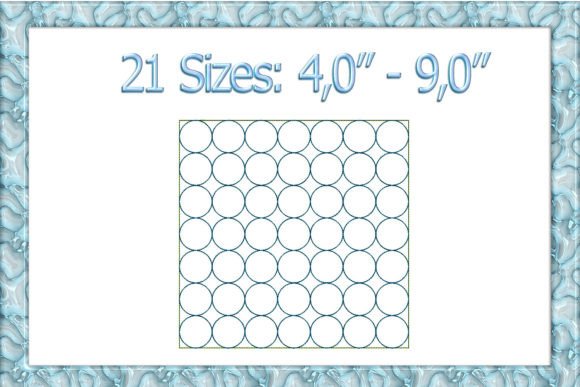
When I first pulled up the Flower Quilt Block Machine Embroidery De on my screen, I wasn't looking for another generic floral to fill space in my library. As a designer who spends hours tweaking density and testing stabilizers, I need files that hold up under the needle and look professional in the finished product. This design, categorized under Backgrounds but clearly suited for focal points or edge-to-edge work, caught my eye with its "single stitch" description and classic quilt block aesthetic. The promise of nine included formats suggests versatility, but the real test is how it translates from a digital embroidery file to actual thread on fabric.
First Impressions: Mood and Visual Personality
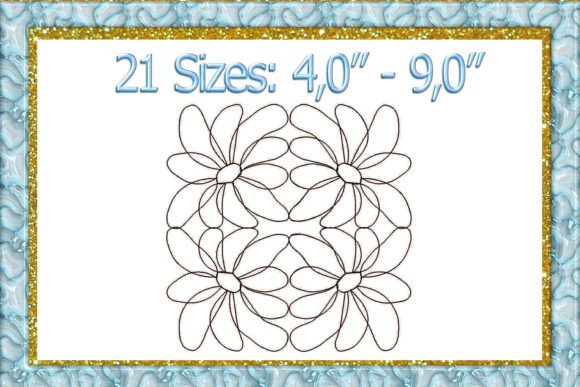
The immediate vibe of this Flower Quilt Block Machine Embroidery De is nostalgic yet clean. It carries the warmth of traditional quilting without feeling dated. The layout feels structured, likely relying on geometric precision common in quilt blocks, which usually translates well to machine embroidery if the stitch types are balanced. The mention of "single stitch" in the product details makes me curious about the execution; often, this implies a running stitch or a light fill that avoids the heaviness of dense satin columns. For a designer, this is a green flag. Heavy designs can puckers thin fabrics, but a lighter approach opens doors for delicate applications like baby embroidery or lightweight tote bag designs.
Visually, the theme screams "handmade product." It doesn't try to be hyper-realistic; instead, it embraces the stylized nature of embroidery. This visual personality is crucial for Etsy sellers and craft business owners who want their items to feel authentic rather than mass-produced. The design seems to sit comfortably in that sweet spot between decorative accent and standalone art, making it a strong candidate for various commercial embroidery projects.
Real-World Application: From Screen to Stitch
To truly evaluate this Embroidery asset, I imagined a specific scenario: a custom order for a boutique client needing a set of coordinated kitchen textiles and a matching apron. The client wanted something cohesive that felt like a heritage piece but modern enough for a contemporary home. Here is where Flower Quilt Block Machine Embroidery De shines. Because it is described as an "edge to edge quilting embroidery design," it has the potential to cover larger areas without looking sparse.
For the apron, I would place the block centrally on the bib. The geometric nature of a quilt block provides a sturdy frame that looks intentional even on textured fabrics like linen or heavy cotton twill. If I were using this for a sweatshirt embroidery project, the open nature of the design (assuming the "single stitch" holds true) would allow the fleece or French terry to breathe, preventing that stiff, cardboard-like feel that customers dislike. For smaller items like an embroidered patch or a cap, the clarity of the lines becomes critical. If the details are too tight, they might merge on a curved surface like a hat, so checking the stitch density against the hoop size is mandatory before committing to production.
This design also fits perfectly into the holiday embroidery market. Imagine monogramming the center of this flower block for a personalized gift. The symmetry of a quilt block often leaves a natural negative space or a central focal point ideal for adding initials, turning a standard design into a high-value custom apparel item.
Technical Considerations and Fabric Compatibility
While the aesthetic is promising, practical usage requires a critical eye on technical limitations. The product description notes it is a "Single stitch" design, which generally implies running stitches or minimal fills. This is excellent for fabric texture preservation but demands careful handling regarding stabilizer choice. On stretchy fabric, such as a t-shirt or a knit baby onesie, a running stitch design can distort if not properly supported. I would strongly advise using a cut-away stabilizer rather than tear-away for these applications to ensure the finished product maintains its shape after washing.
Dark fabric presents another challenge. If this Flower Quilt Block Machine Embroidery De relies on light thread colors for contrast, it will pop beautifully on navy or black. However, if the design includes underlay that isn't color-matched, it might show through on thinner materials. Always test your thread colors on scrap fabric first. Furthermore, small hoop sizes might require splitting the design if it is indeed an "edge to edge" pattern intended for larger quilts. Before purchasing or stitching, confirm the maximum dimensions provided in the file details to ensure it fits your available hoops without unnecessary resizing, which can ruin stitch density.
Dense stitch areas are less of a concern here given the description, but detailed corners in quilt blocks can sometimes be tricky. Machines may struggle with sharp turns if the speed is too high or if the thread tension isn't calibrated. For commercial embroidery projects where consistency is key, running a test on the actual garment material is non-negotiable. This prevents the embarrassment of delivering a small shop product with pulled threads or bird nests in the corners.
Value for Craft Entrepreneurs and Designers
For an Etsy seller or a creative entrepreneur, the value of a design lies in its versatility and the trust it builds with buyers. A clean, well-digitized machine embroidery design like this one enhances brand consistency. If you sell nursery decor, using a consistent quilt block motif across pillow covers, blankets, and wall hangings creates a recognizable collection. The professional look of the stitched output directly influences customer trust; sloppy stitching or poor design choices lead to returns, while crisp, clear embroidery encourages repeat business.
The inclusion of nine formats is a significant plus for digital product sellers and those with multiple machines. It eliminates the need for third-party conversion software, which can sometimes introduce errors in the stitch path. Whether you are creating printable mockups for your online store or producing physical inventory for a craft fair, having the native files ensures you are working with the designer's original intent. However, always verify the licensing terms. Just because a file has multiple formats doesn't automatically grant commercial rights. Ensure you are cleared to use this design asset for selling finished items or digital products.
Final Verdict and Designer Notes
In summary, Flower Quilt Block Machine Embroidery De appears to be a robust tool for designers seeking a blend of tradition and utility. Its strength lies in its adaptability—from a subtle accent on a tea towel to a bold statement on a tote bag design. To get the best results:
- Test extensively: Always stitch out on scrap fabric similar to your final material to check for puckering or registration issues.
- Check contrast: Review how the design looks in black and white mockups to ensure the shapes remain distinct without relying solely on color.
- Stabilize correctly: Match your stabilizer to the fabric weight; heavier stabilizers may be needed for loose weaves.
- Verify details: Since exact stitch counts and specific hoop requirements weren't fully detailed in the short description, download the preview or documentation to confirm these specs before starting a large batch.
- Consider the end use: Ensure the "single stitch" style aligns with the durability needs of the item, especially for products that will face frequent washing.
Ultimately, this design offers a solid foundation for creating high-quality, handmade goods. With the right preparation and attention to detail, it can elevate a simple piece of fabric into a cherished personalized gift or a best-selling item in your boutique.