Review: Colorful Floral Jute Embroidery Patterns for Brands
As an embroidery designer who has spent years digitizing logos and creating custom assets for small businesses, I approach every new design asset with a critical eye. It is not just about whether a graphic looks pretty on a screen; it is about how it translates into thread, how it withstands washing, and how it elevates a brand's identity. Recently, I evaluated the Colorful Floral Jute Embroidery Patterns collection specifically for its potential in commercial applications. For boutique owners, café operators, and handmade product creators, finding the right visual language is crucial. This review breaks down how these graphics perform when moved from digital files to tangible, stitched reality.
First Impressions: Rustic Charm Meets Professional Polish
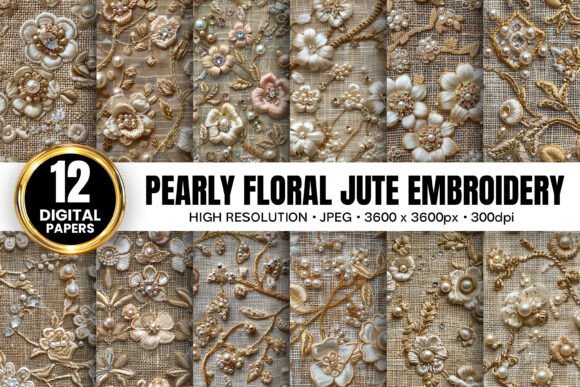
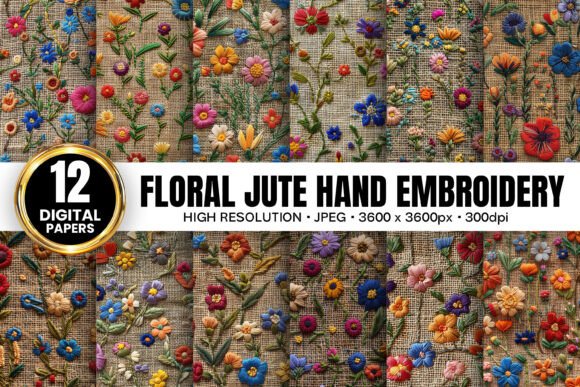
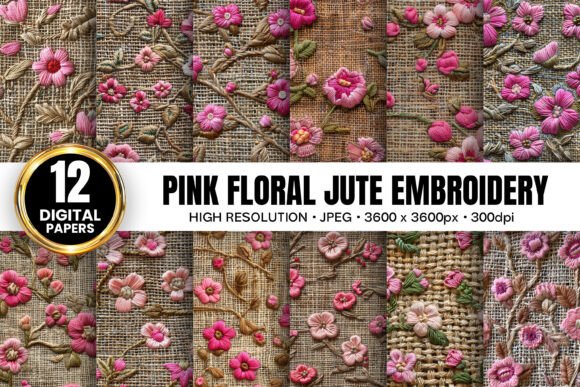
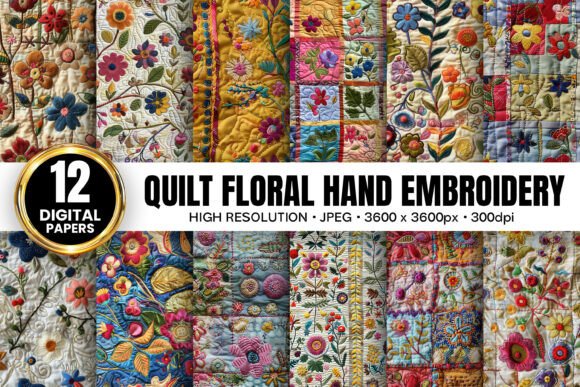
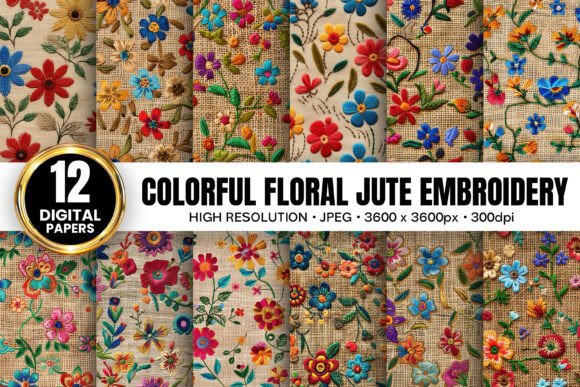
The moment you open the ZIP file containing the Colorful Floral Jute Embroidery Patterns, the aesthetic is immediately clear. These are not generic, clip-art style flowers. There is a distinct "handmade" feel that aligns perfectly with current trends in artisanal branding. The combination of vibrant floral elements with a jute-like texture suggests warmth, organic quality, and approachability. For a florist, a bakery, or a local coffee shop, this visual personality screams "crafted with care."
However, as a designer, I look beyond the vibe. The description notes that you receive 12 high-resolution digital papers at 300 DPI in JPG format (3600 x 3600 pixels). While these are technically Graphics and Patterns rather than pre-digitized stitch files, their resolution is excellent for conversion. The clarity allows a digitizer to trace clean lines, which is essential for maintaining the integrity of the design when it becomes a machine embroidery design. The color palette is bold yet balanced, offering enough contrast to work well on various fabric backgrounds without looking muddy.
Real-World Business Applications
The true test of any design is its versatility in a commercial setting. Here is how I see the Colorful Floral Jute Embroidery Patterns functioning across different small business merchandise categories:
- Embroidered Patches: This is arguably the strongest use case. Isolating a single floral motif from the seamless pattern creates a stunning embroidered patch. These can be sewn onto denim jackets, canvas tote bags, or apron bibs. The organic shape of the flowers works beautifully with a merrowed edge or a satin stitch border.
- Staff Uniforms and Aprons: For a boutique or café, branding the staff is key to professionalism. Using a simplified version of these patterns as a chest logo accent on work shirts or as a pocket detail on apron embroidery adds a touch of elegance without being overpowering. The jute texture element can be simulated using specific fill stitches to give a tactile, premium feel.
- Cap Embroidery: Applying floral designs to caps requires careful consideration of curvature. A smaller, isolated flower from this collection could work well on the side panel of a dad hat or the back of a trucker cap, serving as a subtle brand marker rather than a loud front logo.
- Tote Bag Design: Canvas totes are a staple for retail shops. The high resolution of these files means they can be scaled up for large-format printing or used as a reference for a large-scale embroidery project on the bag's front panel. The "jute" aspect of the design complements natural cotton or hemp fabrics perfectly.
- Product Packaging and Labels: Even if not stitched, these graphics serve as excellent printable mockup elements for hang tags, sticker seals, or tissue paper. Consistency between your physical stitched goods and your packaging reinforces brand identity.
Critical Considerations for Production
While the artistic merit of the Colorful Floral Jute Embroidery Patterns is high, there are technical hurdles to clear before running them through an embroidery machine. Since the product provides JPG images and not native embroidery files (like .PES or .DST), you cannot load them directly into your machine. You must first digitize them or hire a professional to do so.
When converting these Graphics into a digital embroidery file, pay close attention to stitch density. The "jute" texture implies a rough, woven look. If you try to replicate this too literally with dense stitching, you risk creating a stiff, cardboard-like patch that may pucker on lightweight fabrics. Instead, use open fill stitches or running stitches to suggest the texture while keeping the garment flexible.
Furthermore, consider the thread colors. The source images are colorful, but embroidery thread has limitations compared to print. You may need to simplify gradient effects into solid blocks of color. Always test the design in black and white first to ensure the contrast holds up without relying on hue differences. This is vital for items like dark uniforms where light threads are necessary for visibility.
Be cautious with hoop size constraints. If you plan to use these patterns on curved surfaces like cap fronts or narrow sleeve cuffs, ensure the design fits within a standard cap frame or small hoop. Complex, wide patterns may require splitting the design or reducing the scale significantly, which could lose the delicate details of the floral elements.
Impact on Brand Identity and Customer Trust
In the era of mass production, consumers crave authenticity. Utilizing the Colorful Floral Jute Embroidery Patterns signals that your business values craftsmanship. When a customer receives a handmade product adorned with a unique, textured floral emblem, it elevates the perceived value of the item. It transforms a simple tote bag or t-shirt into a collectible piece of small business merch.
Consistency is key to recognition. By adopting these patterns across your custom apparel, packaging, and shop decor, you create a cohesive visual language. This consistency builds trust; customers begin to associate that specific floral-jute aesthetic with the quality and reliability of your brand. Whether it is a pet brand selling bandanas or a creative studio selling art prints, the embroidery acts as a seal of quality.
Designer's Checklist for Implementation
Before committing to a full production run using these assets, I recommend the following workflow to ensure the finished product meets professional standards:
- Verify Licensing: Confirm the commercial licensing terms included in the ZIP file. Ensure you have the rights to use these images for resale items and branded merchandise.
- Digitization Strategy: Do not auto-digitize. Manually trace the floral elements to control stitch direction and underlay, ensuring the "jute" look is achieved without excessive bulk.
- Fabric Testing: Test the design on the actual fabric you intend to use. Fabric texture plays a huge role; a design that looks great on twill might get lost on a fuzzy fleece.
- Stabilizer Selection: Choose the right stabilizer based on the fabric weight. Cut-away stabilizer is often best for patches and items that will undergo frequent washing to prevent distortion.
- Mockup Approval: Create a digital or physical mockup for client approval. Show them how the colors translate to thread and how the size looks on the specific garment.
- Scale Check: Review the design at the smallest intended size (e.g., a small chest logo) to ensure no details disappear.
In conclusion, the Colorful Floral Jute Embroidery Patterns offer a rich, versatile foundation for small businesses looking to enhance their physical branding. While they require the extra step of professional digitization, the resulting commercial embroidery projects can significantly boost brand perception. With careful attention to stitch technique and material selection, these patterns can become the signature look that sets your merchandise apart in a crowded marketplace.